

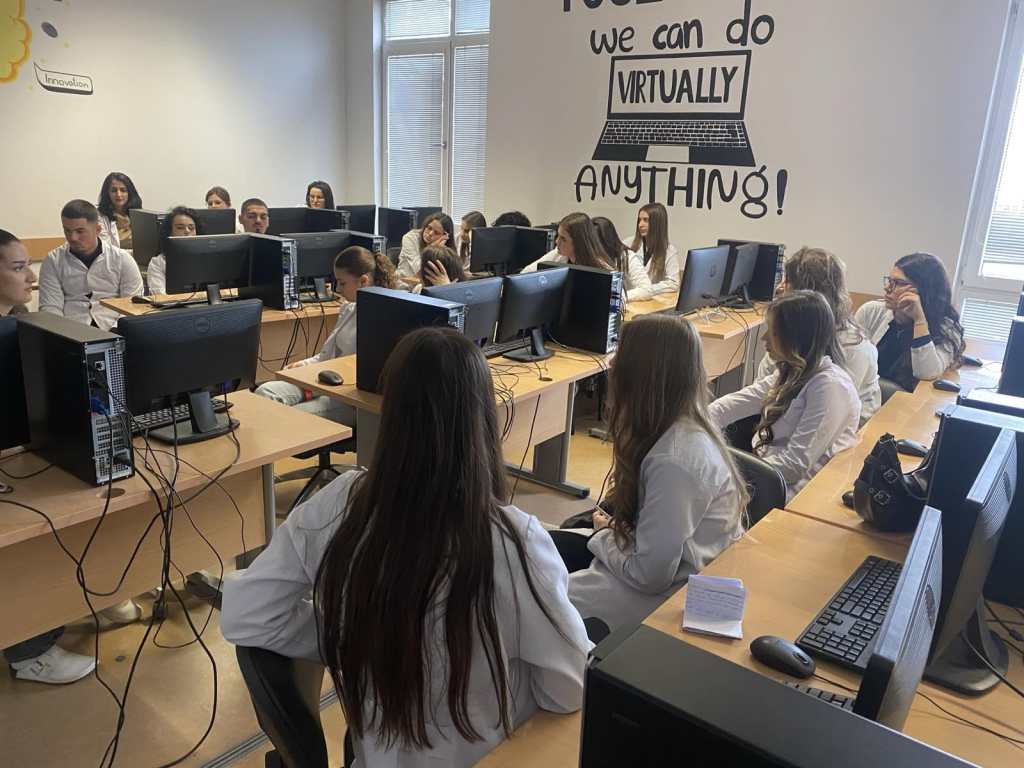
Between September 2025 and February 2026, three innovative learning modules were successfully implemented at COC within the framework of the NURIC project. These modules targeted students in the 10th, 11th, and 12th grades (aged 15–17), engaging approximately 20–24 students per group. The courses introduced learners to modern topics at the intersection of healthcare and digital technologies, reflecting the growing importance of digital competencies in nursing education. A key strength of the implementation was the interdisciplinary teaching approach, where both IT teachers and nursing teachers collaboratively delivered the modules. All educators involved had previously participated in NURIC’s Train-the-Trainers workshops, ensuring they were well-equipped with the necessary knowledge and pedagogical tools.
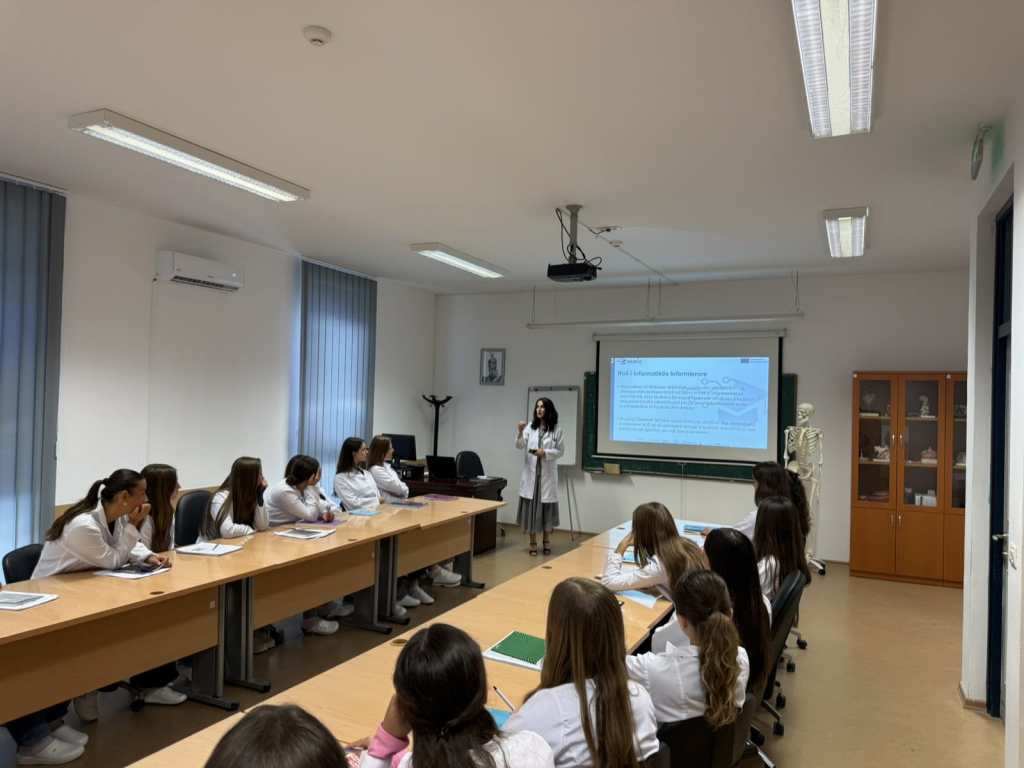
Student engagement throughout the modules was notably high, with participants expressing strong interest in the innovative and practical nature of the topics covered. This positive response highlights the relevance of integrating digital health concepts into early-stage nursing education. To evaluate the effectiveness of the modules, pre- and post-course surveys were jointly organized by Fabio’s team and the COC team. These assessments achieved a high response rate across all three groups and provided valuable insights into learning outcomes and student progress.
Importantly, the impact of the initiative extends beyond the project’s duration. The newly introduced topics will continue to be integrated into the curriculum across all three grades, ensuring long-term sustainability and continued benefits for future students.
In parallel, discussions have been initiated between COC, the Chamber of Nurses, and the Ministry of Education to explore opportunities for scaling the modules to other nursing schools in Kosovo. This is particularly relevant for institutions following similar IT curricula, creating strong potential for wider adoption at the national level. The successful implementation of these modules demonstrates how targeted educational interventions, supported by Erasmus+ initiatives such as NURIC, can effectively enhance digital competencies in vocational education and contribute to the modernization of nursing training systems.
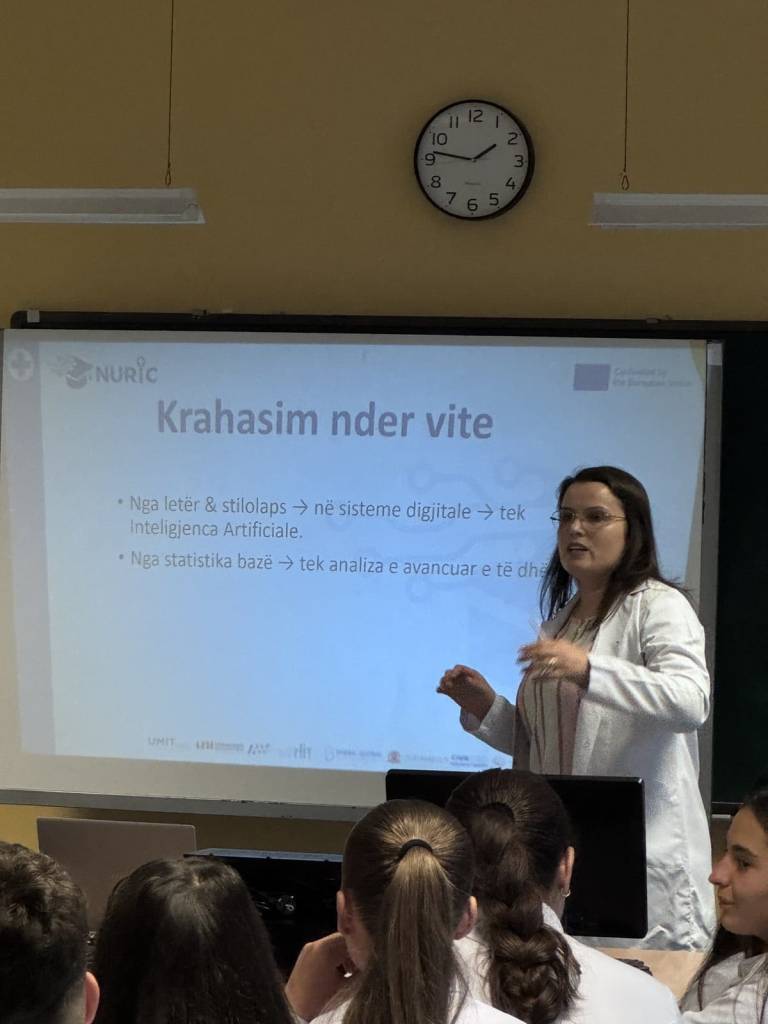
 Nuric Project
Leave a comment